› CONTENT CREATION
Voice-Over Rates in Zimbabwe: What Brands Should Really Be Paying
9 March 2026
Every marketing manager who has ever tried to budget for a voice-over has hit the same wall: there is no published rate card. Ask three voice-over artists in Harare what a 30-second radio ad costs, and you will get three different answers, often for good reason. Voice-over pricing in Zimbabwe is not arbitrary — it is just structured around variables that most briefs never mention. Understanding those variables is the difference between a quote that feels random and one that makes complete sense once you see the full brief.
What Actually Moves the Price
The read itself — the words spoken into a microphone — is rarely the expensive part. What drives a quote up or down is almost always usage. A voice-over recorded for a single Instagram reel that runs for two weeks costs a fraction of the same script recorded for national radio and TV with a year of exclusivity attached, because in the second case the brand is paying to own the voice's association with that campaign, not just the recording. Broadcast use (radio, TV, cinema) typically commands more than digital-only placement, since broadcast reach and airtime duration are harder to predict and control. Length matters too, but not linearly — a 15-second ad and a 60-second explainer are not "four times the price" apart, because the setup, direction, and retakes matter more than raw word count. Turnaround time is its own line item: a same-day or next-day delivery for an urgent campaign launch costs more than a script delivered with a comfortable week's notice. And tone changes everything — a warm, authoritative brand voice for a corporate explainer or a banking product video is a different skill, and often a different price point, from a punchy, high-energy retail ad-read.
Why the Cheapest Quote Rarely Stays the Cheapest
Brands that shop purely on price often end up paying twice. A mismatched tone — a hype voice on a serious financial-services explainer, or a stiff corporate read on a youth-targeted social campaign — usually gets flagged in the first internal review, which means a re-record, a delayed launch, and a second invoice on top of the first. The same happens when usage rights were never discussed upfront: a brand books a "cheap" voice-over for social media, the campaign performs well, someone decides to run it on radio, and the artist is well within their rights to requote for the expanded usage — at a much less convenient moment than during the original brief. The actual cheapest voice-over is the one recorded once, briefed properly, cleared for the usage the campaign ends up needing, and delivered by someone whose tone was right the first time.
How to Brief a Voice-Over Artist Properly
An accurate quote depends entirely on the quality of the brief. Before reaching out, a brand should be able to answer: where will this run (social, radio, TV, in-store, IVR/phone lines), for how long, and is any exclusivity needed against competitors in the same category? What is the tone — warm and reassuring, punchy and energetic, formal and authoritative? What is the turnaround, and is there a fixed air date? Sharing the full script, or at least a close draft, up front also matters — vague briefs ("something warm, you'll know it when you hear it") lead to back-and-forth that eats the very turnaround time the brand is often trying to protect. A well-prepared brief usually gets a firm quote within a day.
How Pricing Is Actually Structured
Rather than a flat industry rate, most Zimbabwean voice-over pricing works per project, scaled by usage and exclusivity rather than by the minute. A short-form social or web read with limited-term usage sits at the lower end. Broadcast campaigns, national exclusivity, or long-term usage sit meaningfully higher, and corporate or e-learning narration with a longer running time is priced on the scope of the full project rather than a per-second rate. This is directionally how the market works — the honest answer to "what does it cost" is almost always "it depends on where it runs and for how long," and any artist quoting a single flat number without asking those questions is either underpricing broadcast-scale work or overpricing a simple social clip.
Booking a Voice That Brands Already Trust
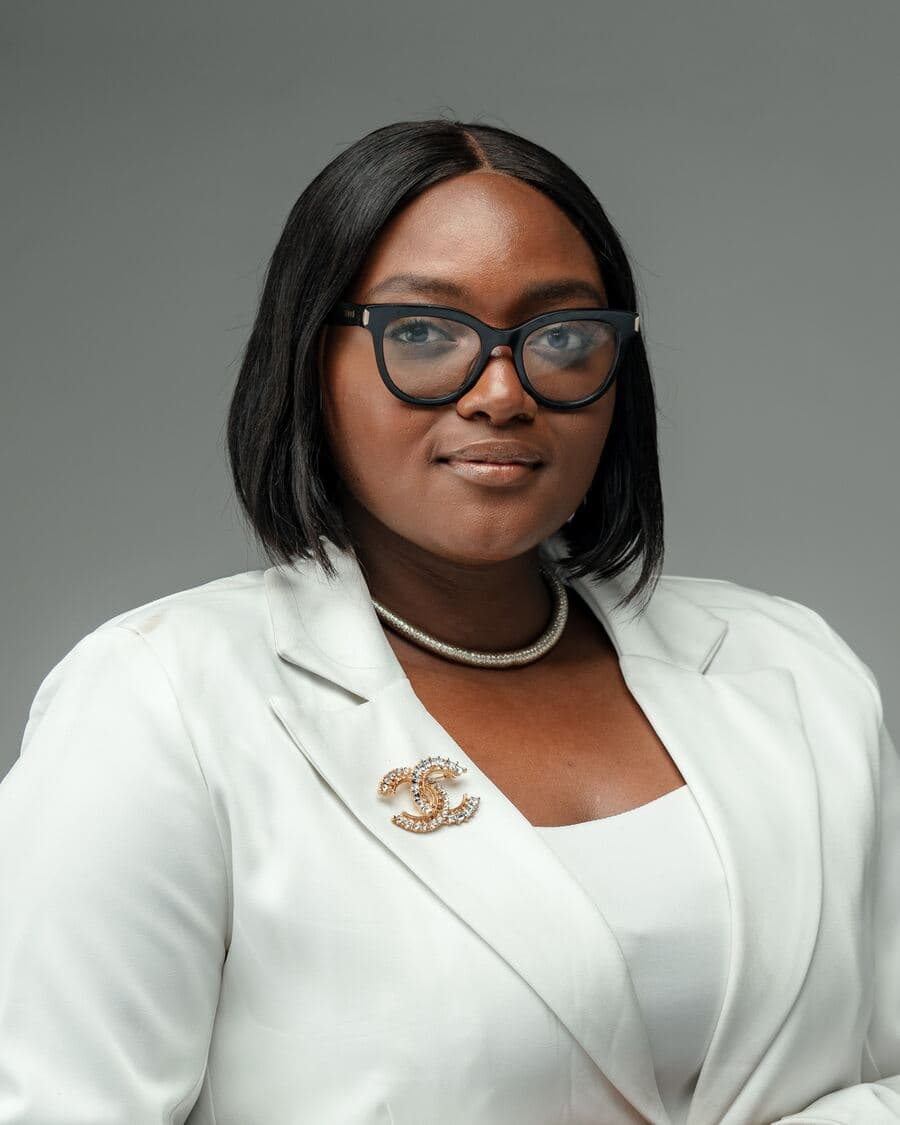
Miriro Munodawafa has built her voice-over work on exactly this kind of clarity — briefs are answered with real questions about usage and tone before a number is discussed, which is part of why brand partners like MTN South Africa and Mukuru have returned for repeat campaigns. Her warm, clear, and authoritative delivery style works across corporate narration, ad-reads, and on-camera brand content, and pairs naturally with the same stage presence she brings to keynote hosting. If you are budgeting a voice-over project, her Content Creation page outlines the brand services on offer, and the fastest way to get an accurate quote is to send the full brief through Contact — usage, tone, length, and timeline — so the number that comes back actually reflects the work.
Ready to bring Miriro into your room?
Book Miriro →