› MASTER OF CEREMONIES
Traditional Lobola Ceremony Etiquette: What Every Zimbabwean Couple Should Know
26 January 2026
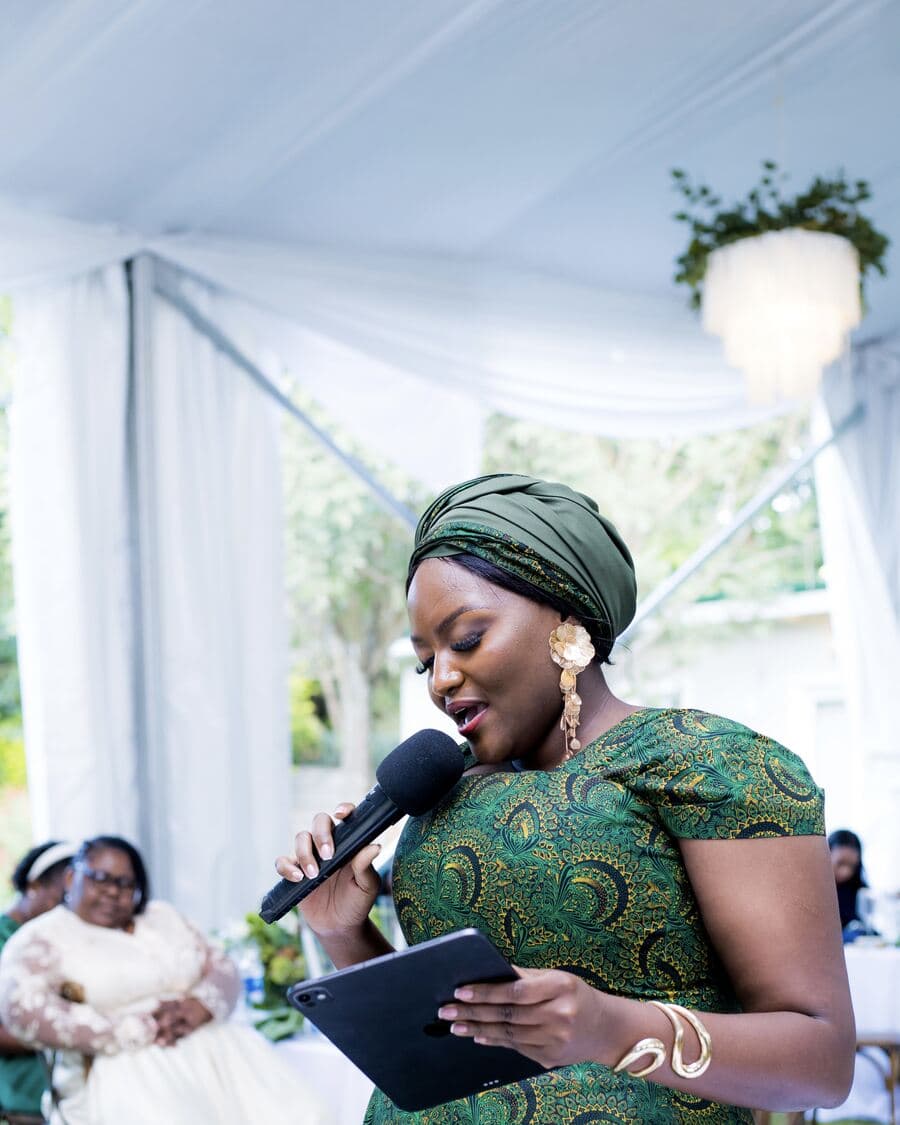
Long before a couple stands in front of guests to exchange vows, there is usually another room, another gathering, and another kind of ceremony altogether — the lobola negotiations, known in Shona as roora. For many Zimbabwean families, this is the moment that actually makes a marriage real. It is where two families formally meet, where a young man's uncles speak on his behalf, and where a young woman's aunts and elders confirm, on her behalf, that this union has their blessing. Couples planning a wedding often spend months on flowers and seating charts, then realise far too late that the roora day — the one their grandparents will judge them on — needs just as much care.
What Lobola Actually Is, and Why It Still Matters
Lobola is frequently, and unfairly, reduced to "the bride price" in casual conversation. In reality, it is a cultural institution built around respect, gratitude, and the formal joining of two families — not a purchase. The tokens exchanged, from the smaller "vhoterekedzo" gifts that open the door to a discussion to the larger negotiated amounts, are symbolic acknowledgements of how a woman was raised and the value her family has invested in her. Anthropologically and legally, this distinction matters: lobola creates kinship obligations between families, not ownership of a person. Understanding this framing changes how a couple, and especially their friends unfamiliar with the custom, should approach the day — with reverence, not transaction-mindedness.
Who Speaks, Who Negotiates, and What Each Family Should Expect
Etiquette at a roora ceremony is precise, and getting it wrong is noticed immediately by elders. The groom does not negotiate for himself — a munyai (go-between or negotiator), usually a trusted uncle or family friend, speaks on his behalf and carries messages between the two sides. The bride's family fields its own spokesperson, typically a senior uncle, who receives the munyai's messages and consults the family before responding. The bride and groom themselves largely remain silent observers for much of the proceedings, called in at specific, ceremonial moments. Both families are expected to arrive with the right small gifts — tea, sugar, a chicken, or cash tokens for aunts who "guarded" the bride — and conduct that stays respectful and unhurried even when negotiations get lively. Dress is typically modest and smart; loud, celebratory outfits are usually saved for the wedding itself, not the negotiation day.
Where Modern Families Get It Wrong
The friction today rarely comes from the custom itself — it comes from blending it with modern family life. Diaspora relatives dialling in from London or Johannesburg change the pacing of a ceremony built for a room full of people speaking Shona in real time. Corporate, time-conscious families sometimes push for a tightly scheduled two-hour event, not realising that negotiations have their own unhurried rhythm and cannot be rushed without offending elders. Mixed-heritage couples occasionally skip briefing younger family members on etiquette basics — who kneels, who claps, who is addressed as "Tezvara" — leading to visible, embarrassing missteps. And an increasing number of families now want the ceremony filmed and hosted with more structure than tradition alone provides, without losing any of its authenticity in the process.
Why the Right MC Changes Everything
This is precisely where a skilled Master of Ceremonies earns their place at a roora. The role is not to perform, but to hold the room — announcing arrivals, guiding hybrid or virtual guests through moments they cannot otherwise follow, keeping the negotiation's natural back-and-forth from dragging into confusion, and translating or contextualising customs for younger relatives and in-laws encountering them for the first time. A good Director of Ceremonies reads the temperature of both families and adjusts pace accordingly, without ever appearing to rush an elder or undercut the seriousness of the negotiation itself. Miriro Munodawafa, who brings her own Shona heritage and grounding in Zimbabwean custom into every roora she hosts — detailed further on her About page — describes her approach to these ceremonies simply as cultural sensitivity, ceremony, and joy: honouring the gravity of what is happening while still letting the day feel warm rather than stiff.
Lobola ceremonies carry weight that most modern events simply don't — history, family reputation, and a couple's future all sitting in the same room at once. That is exactly why more Zimbabwean families are choosing to book a professional MC for the day, rather than leaving pacing and protocol to whoever happens to be free. If you are planning a roora and want someone who can hold that balance with genuine cultural fluency, get in touch with your date and family details, and Miriro's team will talk you through how she can host it.
Ready to bring Miriro into your room?
Book Miriro →